
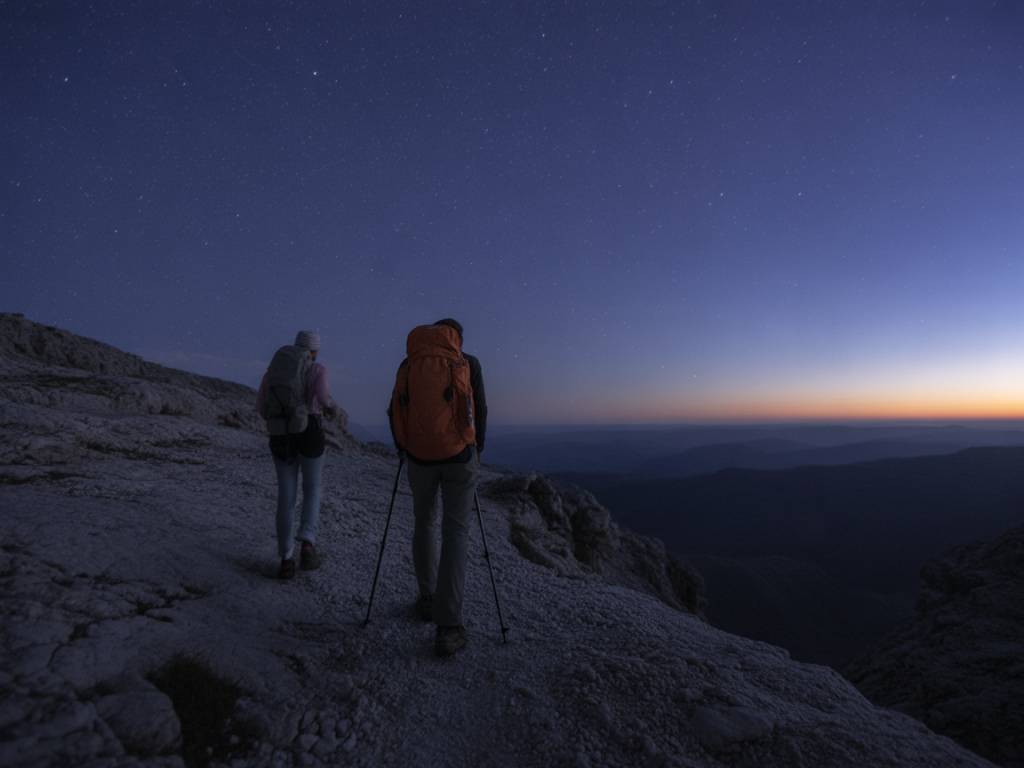
Night Hiking Adventures: How to Explore Trails Safely After Dark
I have always found night hiking to be one of the most rewarding ways to experience the outdoors. The familiar becomes different after dark: trails feel quieter, wildlife behaves differently, and the simple act of walking under a headlamp creates a strong sense of focus and awareness. For many hikers, night hiking is not just a novelty; it is a practical way to avoid daytime heat, enjoy clear skies, or extend a day trip into a memorable adventure. At the same time, hiking after dark requires more preparation than a daytime walk, especially if I want to stay safe, oriented, and confident on the trail.
In this guide, I cover the essentials of night hiking safety, from choosing the right trail to packing the right gear and navigating in low-light conditions. Whether I am planning a moonlit walk on a familiar path or a longer backcountry excursion, I treat the experience with the same seriousness I would give any outdoor activity. Proper preparation makes night hiking safer, more enjoyable, and far less stressful.
Why night hiking appeals to outdoor travelers
Night hiking offers a very different experience from daytime hiking. The temperature is often cooler, which can make summer trails more comfortable. In desert or humid environments, hiking after sunset can reduce heat stress and make longer distances more manageable. I also find that trails feel more peaceful at night, with fewer crowds and less noise from the outside world.
For photographers, stargazers, and adventure travelers, night hiking can be especially appealing. Clear skies, meteor showers, moonlit ridgelines, and glowing city views can transform a simple trail into something memorable. That said, the appeal of night hiking should never obscure the need for careful planning. Visibility drops, navigation becomes more complex, and the margin for error is smaller once darkness settles in.
Choosing the right trail for a night hike
Not every trail is suitable for hiking after dark. When I plan a night hike, I look for routes that I already know well or trails that are straightforward, well-marked, and not too technical. A night hike is usually not the time to try a difficult trail for the first time, especially if it includes exposed ridges, steep scrambles, river crossings, or confusing intersections.
Some of the best trails for night hiking have clear signage, minimal route-finding challenges, and a relatively predictable surface. Loop trails near trailheads, wide forest paths, and short summit hikes often work well. I also check whether the trail is open after dark, since some parks and protected areas have closure hours or permit restrictions. Before setting out, I review recent trail reports, local regulations, and weather forecasts to avoid surprises.
When I choose a trail, I consider the following:
Essential gear for night hiking safety
Good gear makes an enormous difference on a night hike. The most important item is reliable lighting. I always carry a headlamp as my primary light source because it keeps both hands free for balance, map reading, or adjusting trekking poles. I also pack a backup light, such as a small flashlight or second headlamp, in case the first one fails or runs out of battery.
Battery management matters more than many hikers expect. I make sure my lights are fully charged or fitted with fresh batteries before leaving. I also test them at home so I know how they work in practice. A headlamp with adjustable brightness is especially useful because it helps preserve battery life while reducing glare in fog or near reflective surfaces.
Reflective or high-visibility clothing can improve safety, especially if I am hiking near roads, shared-use paths, or trailheads with vehicle access. I also prefer carrying a map, compass, or GPS device instead of relying only on my phone. Mobile apps can be helpful, but batteries drain faster in cold conditions and signal coverage is not always reliable. For longer hikes, I may bring a power bank to keep electronics charged.
My basic night hiking gear often includes:
Navigation tips for hiking after dark
Navigation becomes more demanding once the sun goes down. Even on familiar trails, landmarks can look different in the beam of a headlamp. I find it important to slow down, pay attention to trail signs, and avoid rushing through junctions. At night, a missed turn can lead to unnecessary stress and wasted time.
I like to study the route before I leave and memorize key landmarks such as stream crossings, switchbacks, trail splits, and shelters. If possible, I also check the route in daylight so I can identify features that will be harder to recognize after dark. On the trail, I use my headlamp sparingly when I can see enough from moonlight, but I never hesitate to increase brightness when terrain becomes uneven or the route is unclear.
I also make a habit of turning around before I am too tired or time-limited to return safely. Night hiking can feel slower than daytime hiking, so I build in extra time for navigation, breaks, and unexpected delays. Having a clear turnaround time helps me stay disciplined and reduces the risk of being caught out longer than planned.
How I stay aware of wildlife and trail conditions
Wildlife encounters are a normal part of outdoor travel, and they can feel more intense at night because visibility is reduced. I try to make some natural noise as I move, especially in areas known for larger animals. This helps prevent surprising wildlife at close range. I also remain alert for rustling, eye shine, tracks, or movement outside the headlamp beam.
In many areas, nocturnal animals are more active after sunset. That can be fascinating, but it also means I need to be careful around food storage, campsites, and dense vegetation. I never leave snacks exposed near a trailhead or in a pack pocket that could attract animals. If I am hiking in bear country or any region with special wildlife guidance, I follow local recommendations closely and carry deterrents if advised by park authorities.
Trail conditions can also change quickly at night. Moisture may settle on rocks, roots, and wooden bridges, making them slick. Mud, loose stones, and uneven ground are harder to detect under a narrow beam of light. I walk more deliberately than I would in daylight and use trekking poles when I expect unstable footing. If the route includes stream crossings, I assess them carefully and avoid crossing if I cannot clearly evaluate the conditions.
Clothing and temperature management after sunset
Even warm days can become cool nights, especially at altitude or in open terrain. I dress in layers so I can adjust quickly if the temperature drops. A moisture-wicking base layer, a lightweight insulating layer, and a windproof or waterproof outer layer usually give me enough flexibility for changing conditions. I also bring a hat and gloves when hiking in cooler seasons, since hands and ears can lose heat quickly once the sun disappears.
Comfort matters because being cold, sweaty, or underdressed makes it harder to focus. If I start a hike while it is still light, I plan for the temperature I will face later, not just the one I feel at departure. That usually means packing a layer that I may not need at the start but will appreciate later. In humid climates, I also keep an eye on condensation and sweat buildup, because damp clothing can make me colder and less comfortable during rest breaks.
Planning time, distance, and turnaround strategy
One of the biggest mistakes I see in night hiking is underestimating time. Distances that feel manageable during the day can take much longer in the dark. I usually calculate my pace conservatively and add extra time for route-finding, photographs, snack breaks, and any section that may require careful footing. A short hike can easily become an extended outing if I am not disciplined about time management.
Before leaving, I tell someone where I am going and when I expect to return. This simple step adds an important layer of safety. If I am hiking alone, I am especially careful to share the route, parking location, and expected finish time with a trusted contact. I also avoid setting unrealistic goals. A successful night hike is one where I return feeling steady and in control, not one where I push too far and compromise safety.
Night hiking etiquette and low-impact practices
Good trail etiquette matters even more after dark because hikers, runners, and cyclists may have reduced visibility of one another. I keep my light aimed downward when passing others, since a bright beam can temporarily blind oncoming trail users. If I am with a group, I try to keep voices low and avoid unnecessary noise so the experience remains peaceful for everyone.
I also follow Leave No Trace principles. That means staying on established trails, avoiding unnecessary shortcutting, and packing out all trash, including food scraps and tissues. At night, it can be harder to see litter or fragile vegetation, so I move carefully and stay mindful of my surroundings. Respect for the environment is especially important after dark because disturbed habitat and mistaken steps can be harder to notice.
When to skip a night hike
There are times when I decide not to go, and that is part of responsible hiking. Severe weather, dense fog, lightning risk, strong winds, or unfamiliar technical terrain can turn a night hike into an unnecessary gamble. I also reconsider if I feel overly fatigued, if my lighting gear is unreliable, or if I cannot clearly describe the route to another person.
My general rule is simple: if I am unsure about safety, I postpone the outing. There will always be another evening. Night hiking should feel adventurous, not reckless. The best experiences come from preparation, sound judgment, and a route that matches my actual skill level rather than my ideal one.
When I approach night hiking with the right gear, realistic planning, and a respect for changing conditions, it becomes one of the most atmospheric ways to explore the outdoors. The quiet of the trail, the precision of each step, and the beauty of the night sky combine to create an experience that is both practical and memorable. For hikers who want cooler temperatures, fewer crowds, and a fresh perspective on familiar landscapes, night hiking can be a remarkable addition to any outdoor itinerary.
 Adventure activities for thrill seekers and outdoor explorers
  The best elevator shoes for men in 2026
  Caving Adventures: Exploring the World’s Most Fascinating Underground Destinations
  Aventurer en jungle tropicale : guide pratique pour explorer les forêts les plus sauvages du monde
  Traversées polaires : comment préparer une aventure en Arctique ou en Antarctique
  Microaventures près de chez vous : comment vivre l’aventure sans quitter votre région
  Adventurous place: the best remote destinations for thrill seekers
  How to start a fire with wet wood in survival situations