
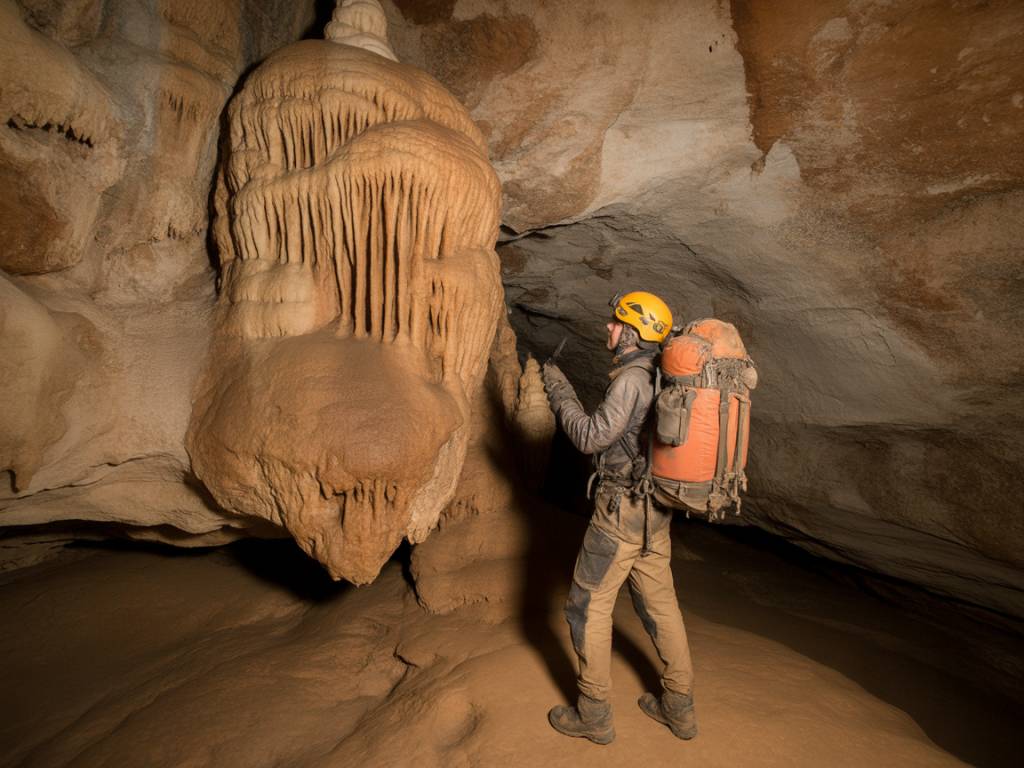
Caving Adventures: Exploring the World's Most Fascinating Underground Destinations
Beneath the surface of the earth lies a world most people never see — a realm of cathedral-sized chambers, crystalline formations, subterranean rivers, and ecosystems sculpted over millions of years in complete darkness. Caving adventures, also known as spelunking or potholing, offer a rare and humbling gateway into this hidden planet. Unlike any other outdoor pursuit, descending into a cave system strips away every distraction and places you face-to-face with raw geological time. Whether you’re crawling through tight limestone passages or floating beneath a ceiling of living light, underground exploration is unlike anything else in adventure travel.
This guide covers the world’s most fascinating underground destinations, practical planning advice, essential gear, and how to cave responsibly — so you can experience the underground safely and leave it intact for the next generation of explorers.
Why Caving Adventures Captivate Explorers Worldwide
Caving is one of the few adventure sports where the landscape is entirely alien. No GPS signal, no ambient light, no weather — just rock, water, and silence. That sensory isolation is part of the draw. Inside a cave, the ordinary world ceases to exist, replaced by dripping stalactites, glowing minerals, and the distant echo of underground rivers.
But beyond the aesthetic wonder, caving delivers genuine physical and psychological challenge:
- Navigation under pressure: Reading cave maps and staying oriented in three-dimensional darkness sharpens spatial awareness like nothing else.
- Physical diversity: A single cave system can demand swimming, climbing, crawling, and rappelling — sometimes within the same hour.
- Scientific immersion: Caves are living archives of climate history, rare minerals, and species found nowhere else on earth.
- Mental resilience: Tight passages and absolute darkness push comfort zones in ways that build lasting confidence.
The result is an adventure that rewards both the body and the mind — and leaves a mark that a mountain summit or coastal trail simply cannot replicate.
Caving Adventures: Exploring the World’s Most Fascinating Underground Destinations
Every cave system has its own geological identity, difficulty profile, and atmosphere. Here are the world’s most extraordinary underground destinations, from beginner-friendly show caves to bucket-list expeditions for seasoned cavers.
Waitomo Glowworm Caves, New Zealand
On New Zealand’s North Island, the Waitomo Caves have earned near-mythical status among underground destinations. Thousands of Arachnocampa luminosa glowworms cling to the limestone ceiling, casting a soft blue-green light across the dark water below. Drifting silently through the cave by boat, you feel as though you’re floating beneath a living constellation.
For beginners, guided boat tours offer a seamless entry point. For those hungry for more intensity, the Black Labyrinth and Black Abyss experiences combine abseiling, ziplining, and tubing through the deeper cave network — no prior caving experience required. Water temperature inside hovers around 10°C year-round, so a wetsuit is provided and essential.
Son Doong Cave, Vietnam
Son Doong, located in Phong Nha-Kẻ Bàng National Park, is the largest cave on the planet by volume — large enough to contain a 40-story skyscraper. Discovered in 1991 and first explored scientifically in 2009, it contains its own microclimate, including clouds that form inside the main chamber and a dense jungle ecosystem growing beneath two massive dolines (collapsed ceiling sections) that let in shafts of natural light.
Access is strictly limited to around 1,000 visitors per year through licensed operators, with expeditions running 4–7 days. The trek includes underground camping, river crossings, and a 90-metre « Great Wall of Vietnam » climb inside the cave itself. This is a destination for physically fit, experienced adventurers — and one of the most extraordinary places on earth, full stop.
Mammoth Cave, Kentucky, USA
With over 676 kilometres of mapped passages, Mammoth Cave is the longest known cave system in the world — and geologists believe there is still more to discover. A UNESCO World Heritage Site and International Biosphere Reserve, it shelters 130 species including eyeless fish and cave crickets that have evolved in isolation over thousands of years.
The National Park offers more than a dozen guided tours ranging from a gentle 1.5-hour historic walk to a strenuous 6-hour « Wild Cave Tour » that involves crawling through passages as narrow as 36 centimetres. The cave maintains a constant temperature of 12°C, making it a comfortable year-round destination regardless of surface weather conditions.
Skocjan Caves, Slovenia
The Skocjan Caves in southwestern Slovenia are among Europe’s most dramatic underground landscapes. The Reka River carves through a gorge up to 148 metres deep inside the cave, making it one of the largest underground canyons on the continent. A suspended bridge crossing the roaring river far below is one of the most exhilarating moments in any caving adventure.
Designated a UNESCO World Heritage Site in 1986, Skocjan combines geological spectacle with accessibility — it’s easily reached from Trieste or Ljubljana and well set up for visitors of varying fitness levels. Spring visits offer the most dramatic river flow; summer remains the most popular season.
Abismo Guy Collet, Brazil
For technical cavers seeking pure challenge, Abismo Guy Collet in the Brazilian Amazon holds the record as South America’s deepest cave, plunging approximately 671 metres below the surface. Its remote location inside the Amazon basin means visitor numbers remain extremely low, ensuring a genuinely raw and untouched experience.
Reaching and descending this cave demands expert-level vertical techniques, multi-day jungle trekking, and full expedition logistics. It is not a destination for the unprepared — but for those with the skills and determination, it represents one of the last true frontiers in underground exploration.
Essential Gear for Safe Caving Adventures
Proper equipment is not optional in caving — it’s the difference between a thrilling adventure and a dangerous situation. Before entering any cave system, ensure you have the following:
- Certified helmet: Protects against low ceilings, falling rocks, and unexpected knocks in tight passages.
- Primary headlamp + two backups: Total darkness makes redundant lighting a non-negotiable safety rule. Carry spare batteries for each.
- Caving suit or wetsuit: Depending on cave conditions, you’ll need either a durable oversuit for muddy, abrasive environments or a wetsuit for cold, wet systems.
- Sturdy boots with grip: Wet limestone is extremely slippery. Vibram-soled boots designed for caving offer the best traction.
- Gloves and knee pads: Essential for protecting hands and knees during extended crawling sections.
- Harness, ropes, and carabiners: Required for any vertical cave or rappelling sections; always use gear rated for caving or climbing loads.
- First aid kit and emergency whistle: Compact kits tailored to underground conditions should always be carried on longer expeditions.
How to Cave Responsibly and Protect Underground Ecosystems
Caves are among the most fragile ecosystems on earth. A single stalactite can take 1,000 years to grow just 2.5 centimetres. Cave-adapted species — blind fish, albino invertebrates, fungal networks — exist in precise equilibrium that even minor human disturbance can permanently disrupt.
Every caver, from first-timer to expert, must follow these core principles:
- Never touch formations: The oils from human skin inhibit calcite growth and can permanently stain or damage stalactites and stalagmites.
- Stay on marked paths: Straying off route crushes micro-fauna, cave mosses, and compacts sediment that scientists use to study climate history.
- Pack out everything: Food wrappers, human waste, and even fruit peels introduce foreign organisms that can devastate cave ecosystems.
- Decontaminate your gear: Fungal diseases like White-Nose Syndrome have devastated bat populations worldwide by spreading via contaminated caving equipment. Clean and dry all gear between cave visits.
- Respect access rules: Many caves are seasonally closed to protect hibernating bats or breeding periods for cave-dwelling species.
Connecting with local caving clubs or conservation organisations before visiting any destination adds both safety and local knowledge — and directly supports the communities working to protect these places.
Planning Your First (or Next) Underground Expedition
Timing, physical preparation, and logistics vary significantly between destinations, but these universal tips apply across every caving adventure:
- Book well in advance: High-demand sites like Son Doong and Waitomo fill up months ahead. Son Doong permits sell out within hours of annual release.
- Match difficulty to your experience level: Start with guided show caves if you’re a beginner, then progress to wild caving or technical vertical systems as skills grow.
- Research seasonal conditions: Monsoon season floods cave systems across Southeast Asia; spring snowmelt raises river levels in European caves. Always check current conditions with operators.
- Build cave-specific fitness: Focus on core strength, flexibility, and upper-body endurance — not just cardiovascular fitness. Yoga and bouldering are surprisingly effective cross-training tools for cavers.
- Never cave alone: The standard minimum group size is three — if one person is injured, one stays while one goes for help.
The underground world rewards those who approach it with curiosity, preparation, and respect. From New Zealand’s bioluminescent waterways to the vast silences of Son Doong, caving adventures deliver a perspective on this planet that no amount of surface travel can replicate. Strap on your helmet, check your headlamp, and go find what the earth has been hiding.
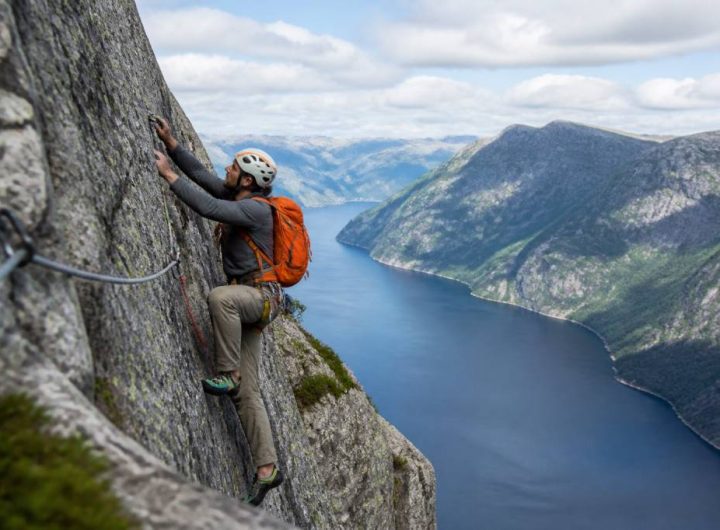 Adventure activities for thrill seekers and outdoor explorers
  The best elevator shoes for men in 2026
 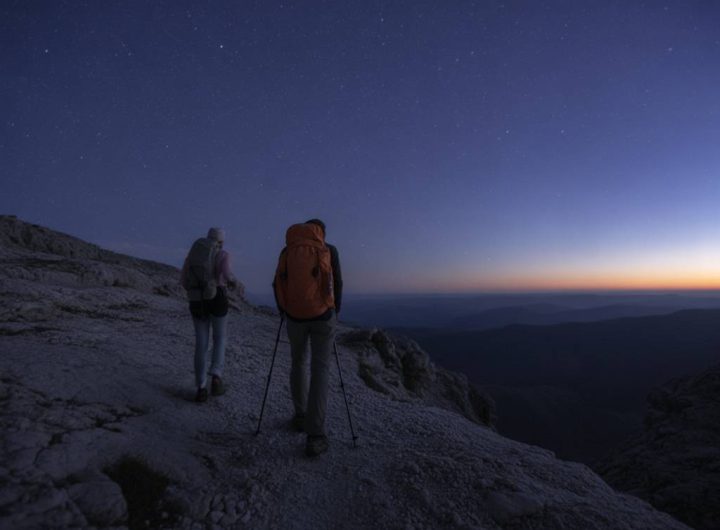 Night Hiking Adventures: How to Explore Trails Safely After Dark
 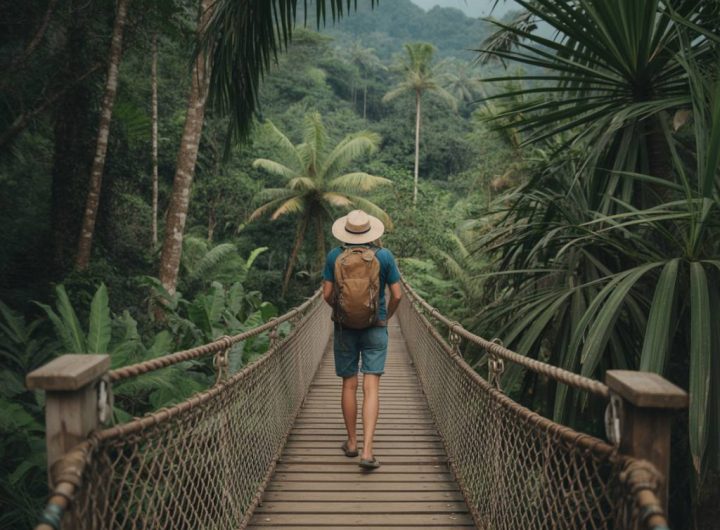 Aventurer en jungle tropicale : guide pratique pour explorer les forêts les plus sauvages du monde
  Traversées polaires : comment préparer une aventure en Arctique ou en Antarctique
  Microaventures près de chez vous : comment vivre l’aventure sans quitter votre région
  Adventurous place: the best remote destinations for thrill seekers
  How to start a fire with wet wood in survival situations