
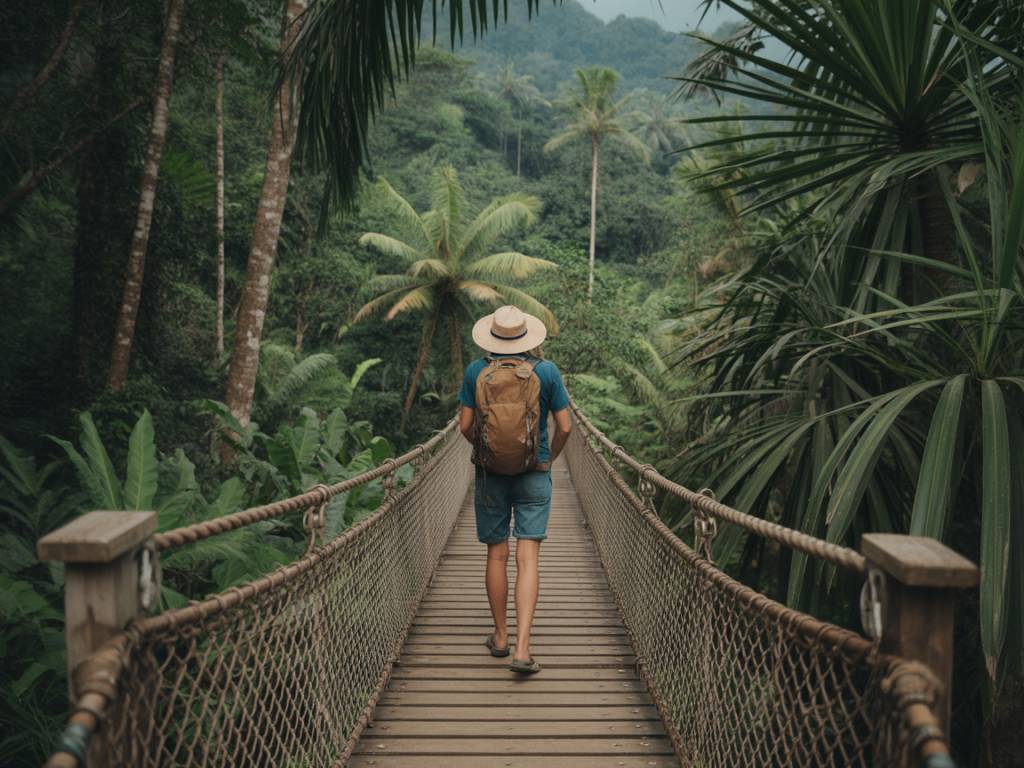
Aventurer en jungle tropicale : guide pratique pour explorer les forêts les plus sauvages du monde
Why the tropical jungle still fascinates me
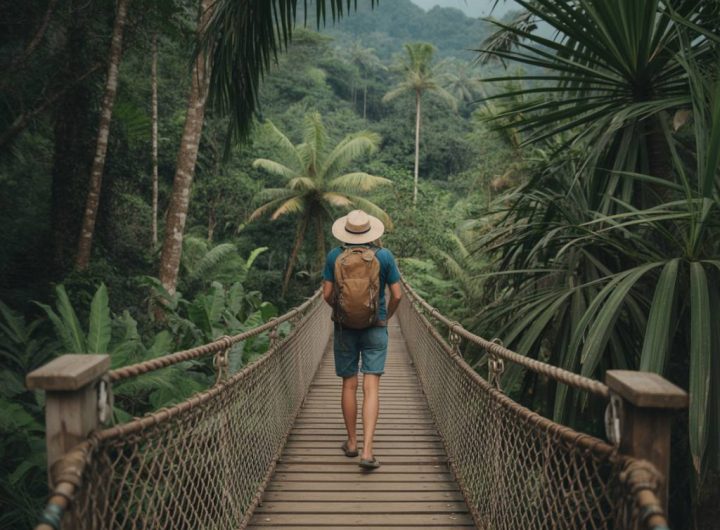
Whenever I step into a tropical jungle, I feel as if I am crossing an invisible border into another world. The air becomes heavier, every leaf seems oversized, and even the silence is never really silent. For many travelers, a jungle adventure is the ultimate dream: trekking under a dense canopy, spotting wild animals, navigating muddy trails and rivers, and sleeping in basic camps far away from civilization.
In this practical guide, I want to share how I personally prepare for exploring some of the wildest rainforests in the world: what to pack, how to stay safe, how to choose a responsible jungle tour, and what to realistically expect once you are deep in the tropical forest. My focus is on real-world experience and actionable advice rather than glossy brochure images.
Understanding the tropical jungle environment
Before entering a tropical rainforest, I always remind myself that this is a complex and fragile ecosystem. From the Amazon in South America to Borneo in Southeast Asia and the Congo Basin in Africa, these jungles are hot, humid, and biologically rich – but also demanding on the body and mind.
Key characteristics I anticipate in any jungle adventure:
- High humidity: Clothes never fully dry, and sweat becomes a constant companion.
- Dense vegetation: Trails can be narrow, overgrown, and sometimes barely visible.
- Heavy rainfall: Sudden tropical downpours can transform paths into rivers of mud.
- Diverse wildlife: Insects, reptiles, birds, mammals – many are harmless, some can be dangerous.
- Limited visibility: Thick foliage reduces sightlines and makes navigation more challenging.
Understanding these factors helps me choose the right jungle gear, set realistic expectations for comfort, and mentally prepare for the intensity of a rainforest expedition.
Choosing where to go for a jungle adventure
The world offers many options for tropical jungle trekking, and each region has its own character. When I plan a trip, I start by defining what I want most: wildlife encounters, remote expeditions, or a first-time introductory jungle hike with basic comfort.
Popular jungle destinations I consider include:
- Amazon Rainforest (Brazil, Peru, Ecuador, Colombia): River-based exploration, canoe trips, diverse wildlife, traditional communities.
- Borneo (Malaysia, Indonesia, Brunei): Orangutans, proboscis monkeys, dense primary rainforest, peat swamps.
- Costa Rica and Panama: Accessible jungle trails, well-developed eco-tourism, good infrastructure for beginners.
- Congo Basin (DRC, Republic of Congo, CAR, Cameroon): More remote and challenging, lowland rainforest, gorillas in some regions.
- Amazonian foothills of the Andes: Cloud forests, high biodiversity, good for combined mountain–jungle itineraries.
I also always check the political situation, safety advisories, rainy seasons, and access to medical services before committing to a specific jungle region.
Planning a tropical jungle trek: guided or independent?
In most tropical forests, I strongly prefer to go with an experienced local jungle guide rather than hiking independently. Trails often look similar, cell coverage is unreliable, and navigation mistakes can quickly turn dangerous.
I usually choose a guided jungle tour or hire a certified local guide when:
- I am entering a national park or remote protected area.
- I want to see specific wildlife (such as orangutans or jaguars) and need expert trackers.
- I am unfamiliar with local hazards (plant toxicity, venomous animals, river crossings).
For more accessible secondary forests or short, well-marked trails near lodges, I might hike alone, but I still ask locals for updated information about trail conditions and safety before I set out.
Essential jungle gear I never leave behind
Packing smart is crucial in a hot, wet, and unpredictable environment. I try to keep my backpack as light as possible while still carrying reliable jungle equipment. Here are the items I personally consider essential for a tropical jungle adventure:
- Lightweight, quick-dry clothing: Long-sleeve shirts and long pants in breathable, synthetic fabric to protect from sun, insects, and branches.
- Quality trekking boots: Preferably mid- or high-cut with good grip; I accept they will be constantly wet.
- Spare socks: I pack more than I think I need; dry feet reduce the risk of blisters and infections.
- Rain jacket or poncho: Even in intense heat, staying somewhat dry is important for comfort and avoiding hypothermia after long rainfall.
- Dry bags: For keeping electronics, documents, and spare clothes safe from humidity and river crossings.
- Insect repellent: I choose a high-quality product (DEET or a strong alternative) adapted to local mosquito-borne disease risks.
- Mosquito net: Some jungle lodges provide nets, but I often bring my own lightweight version for flexibility.
- Water purification: Tablets, drops, or a filter bottle – safe drinking water is not guaranteed.
- Headlamp: Essential for night walks, early starts, and unexpected delays on the trail.
- Basic first-aid kit: Including blister care, antiseptic, bandages, antihistamines, and any personal medication.
- Compact machete or knife (where legal and appropriate): Often the guide carries one; I only bring my own when regulations and safety allow.
- Lightweight hammock or sleeping mat: In some jungle expeditions, hammocks with integrated mosquito nets are standard.
My strategy is simple: aim for multifunctional, durable items and pack them in a way that keeps critical gear dry and accessible.
Health, vaccinations, and safety in the jungle
The tropical jungle is beautiful, but it is also an environment where health risks are real. Before every trip, I take time to consult a travel clinic or doctor familiar with the region I am visiting. Vaccinations and preventive measures can vary widely depending on the country and the current situation.
I usually ask about:
- Recommended vaccines (for example, yellow fever in certain areas, hepatitis, typhoid).
- Malaria risk and whether I need preventive medication.
- Precautions against dengue, chikungunya, and other mosquito-borne diseases.
- Rabies risk if I plan very remote or long-term stays.
On the ground, I apply basic safety rules that significantly reduce risk:
- Covering my skin with long sleeves and pants, especially at dusk and dawn.
- Applying insect repellent regularly and sleeping under a mosquito net.
- Inspecting my shoes and clothes for insects or small animals before putting them on.
- Drinking treated or filtered water only.
- Following my guide’s instructions about where to step, swim, or rest.
Staying safe in the jungle is mostly about awareness, preparation, and respect for the environment rather than constant fear.
Navigation and survival basics I keep in mind
Even with a guide, I like to understand the basics of jungle navigation and survival. If something goes wrong – a separated group, a river in spate, or an unexpected overnight stay – these fundamentals can make a big difference.
My personal checklist includes:
- Staying with the group: I never wander off the trail alone, even for a quick photo.
- Not panicking if lost: The instinct to walk faster can lead deeper into trouble. I stop, listen, and assess.
- Following water: In many jungles, rivers are the main navigation lines, but they can also be dangerous; I only approach them cautiously.
- Fire and shelter: Knowing how to keep at least one lighter dry and having a basic emergency blanket or poncho can protect against night-time chill after rain.
- Signaling: A whistle or mirror weighs almost nothing and can help rescuers locate me if needed.
In practice, most organized jungles treks are well managed and rarely descend into survival scenarios. Still, I feel more confident when I understand the principles rather than relying entirely on others.
What a day in the tropical jungle really feels like
Many people imagine jungle trekking as constant adrenaline and wildlife encounters every few minutes. My reality has usually been more subtle and rhythm-based. A typical day for me in the rainforest often follows a pattern:
- Early start: I wake up at first light, when the forest is busiest with animal activity and the temperature is still relatively cool.
- Morning hike: We follow muddy trails, cross small streams, and listen more than we speak. Often, I hear animals long before I see them – howler monkeys, birds, or frogs.
- Midday heat: Movement slows; I drink constantly and appreciate every patch of shade. Wildlife becomes harder to spot.
- Afternoon exploration: Shorter walks, maybe a river trip or a canopy viewpoint if available. The air grows heavier before any evening rain.
- Night in camp or lodge: After dark, the jungle transforms. A night walk near camp often reveals spiders, insects, and nocturnal mammals I would never see during the day.
Jungle trekking is often less about dramatic moments and more about immersion – the steady crunch of leaves underfoot, the smell of wet earth, and the sensation of being enveloped by living green on all sides.
Responsible and ethical jungle travel
Whenever I travel in tropical forests, I see the impact tourism can have on local communities and ecosystems. Jungle adventure can support conservation – but it can also damage it if done carelessly. I try to follow a few core principles when I choose a tour or operator.
I look for jungle operators who:
- Work with local guides and communities and pay them fairly.
- Limit group sizes to reduce environmental impact and disturbance to wildlife.
- Follow strict waste management and avoid single-use plastics as much as possible.
- Respect animal welfare, keeping a safe distance and never baiting or handling wildlife.
- Support conservation projects or park fees transparently.
On a personal level, I keep my presence as low-impact as possible: I stay on existing trails, carry out my trash, use biodegradable soap when necessary, and avoid buying products made from endangered species or unsustainably harvested jungle resources.
Choosing jungle gear and tours that suit your style
Ultimately, every jungle trip is different. Some travelers want a hardcore multi-day expedition with hammocks and minimal comfort. Others prefer a comfortable eco-lodge on the edge of the forest with day hikes and guided night walks. Personally, I have enjoyed both ends of the spectrum, as long as I knew what I was signing up for.
When I plan my own tropical jungle adventure, I ask myself:
- How many days am I truly comfortable spending in a hot, humid environment?
- Do I prefer a base camp or lodge with day hikes, or a moving expedition with new camps every night?
- How important is wildlife viewing compared to physical challenge or cultural encounters?
- What level of comfort (showers, electricity, beds) do I realistically need to enjoy the trip?
Matching expectations with reality is the best way to transform a tropical rainforest trip from a struggle into a memorable, rewarding adventure. With the right preparation, gear adapted to humidity and heat, and respect for the forest and its people, entering the world’s wildest jungles becomes not only possible, but deeply enriching.
 Traversées polaires : comment préparer une aventure en Arctique ou en Antarctique
 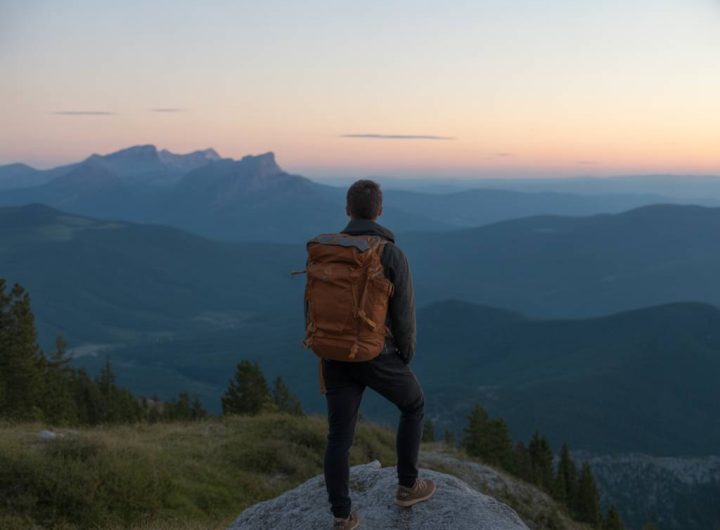 Microaventures près de chez vous : comment vivre l’aventure sans quitter votre région
 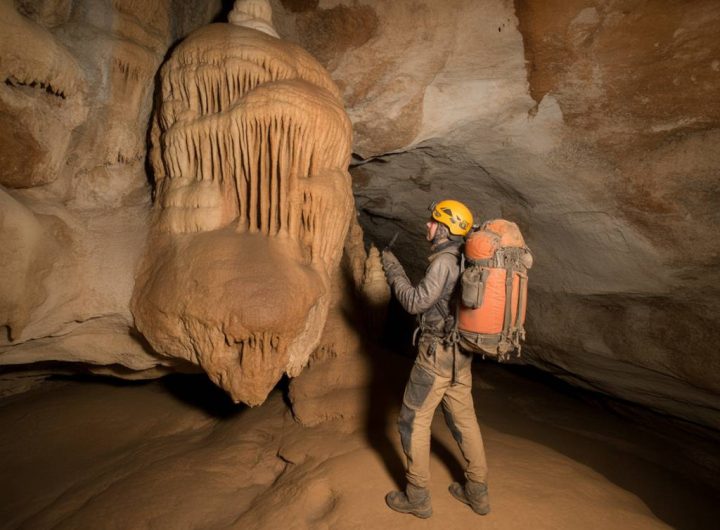 Caving Adventures: Exploring the World’s Most Fascinating Underground Destinations
 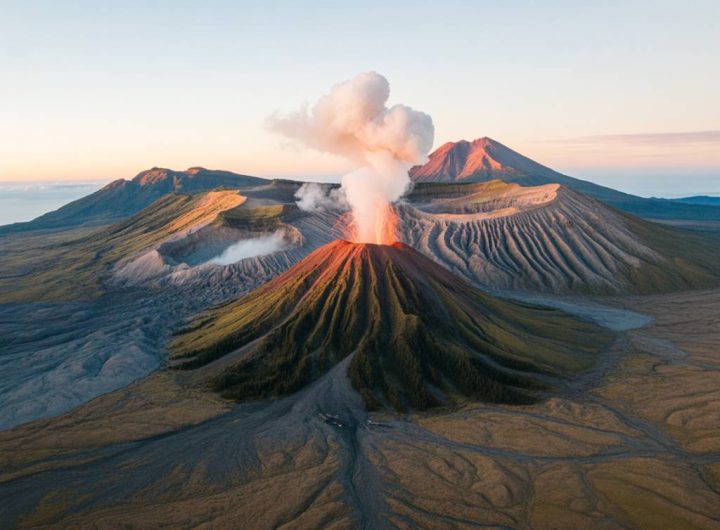 Exploring Volcanic Landscapes: Top Adventure Destinations Around Active Volcanoes
  Top 5 adventure watches with gps and survival features
  How to choose the right adventure clothing for every climate
  Aventurer en jungle tropicale : guide pratique pour explorer les forêts les plus sauvages du monde