


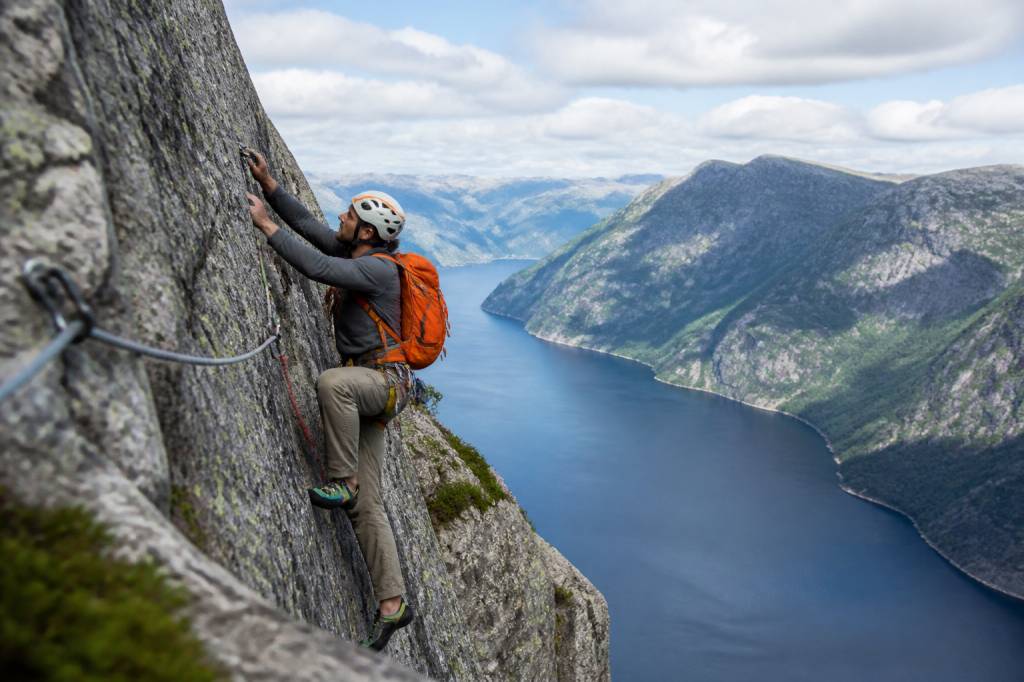
There is a particular kind of silence that only exists at the edge of comfort. It lives on high ridgelines before sunrise, in the pause before a rope drops over a cliff face, in the deep inhale before a wave closes in on your board. For thrill seekers and outdoor explorers, that silence is not empty. It is the moment before the story starts.
Adventure activities are more than adrenaline with scenery. Done well, they sharpen your instincts, train your body, and remind you that the world still contains places where GPS is only a suggestion. Whether you’re chasing altitude, speed, water, snow, or wilderness, the best adventures blend risk with skill and curiosity with respect.
Below, you’ll find a practical guide to some of the most rewarding adventure activities for people who want their travel a little wilder, a little braver, and a lot more memorable.
Why adventure travel keeps calling us back
Adventure travel works because it does something rare: it pulls you out of passive sightseeing and puts you inside the landscape. You don’t just look at the mountain; you climb it. You don’t just admire the river; you move through it. The result is a kind of clarity that is difficult to find in everyday life.
There is also a practical side to the romance. Adventure activities teach you how to read weather, manage fatigue, make quick decisions, and trust your gear. They build confidence in a way that glossy brochures never mention. And yes, they usually leave you gloriously tired, muddy, and slightly in love with your own resilience.
The best part? Adventure does not have to mean “extreme” in the cinema-trailer sense. It simply means leaving the predictable behind and choosing experiences that challenge you enough to feel alive.
Hiking and trekking for the slow-burn adventurer
If there is one activity that sits at the heart of outdoor exploration, it is hiking. Trekking asks for patience rather than speed, but don’t mistake that for simplicity. A long trail can be as demanding as any high-octane sport, especially when altitude, heat, rain, or distance decide to join the conversation.
Why it’s worth it: trekking gives you access to landscapes that roads tend to skip. You’ll pass through alpine meadows, forest corridors, volcanic ridges, or desert valleys where every footstep becomes part of the day’s rhythm.
Practical tips:
- Start with routes that match your fitness level, then build up gradually.
- Carry enough water and know where the refill points are before you leave.
- Wear broken-in boots or trail shoes; blisters are poor travel companions.
- Pack layers, even in warm climates. Weather loves surprises.
- Use a map app or offline navigation, but don’t rely on your phone alone.
For outdoor explorers, trekking is often the best entry point into adventure travel because it teaches the basics: pace, preparation, observation, and humility. The trail is generous, but it does expect manners.
Rock climbing and via ferrata for a vertical challenge
Few activities test body and mind as elegantly as climbing. On a rock face, every move matters. Your hands are not just holding on; they are reading texture, angle, and balance. Your feet are not merely standing; they are solving a puzzle one tiny edge at a time.
Rock climbing comes in many forms. Indoor climbing gyms are ideal for beginners. Sport climbing offers bolted routes on natural rock. Trad climbing brings a deeper layer of technical skill and responsibility. Via ferrata, meanwhile, is a brilliant middle ground for travelers who want a vertical experience without the full technical complexity of rope systems.
Why people love it: climbing offers instant feedback. A route either works or it doesn’t. That honesty is refreshing. It also creates one of the strongest forms of focus you can find outdoors. When you are on the wall, the rest of the world shrinks down to the next hold, the next breath, the next decision.
Useful reminders:
- Take a class before trying outdoor climbing on your own.
- Always check harnesses, knots, ropes, and anchor systems.
- Choose a guide if you are unfamiliar with the area or style.
- Respect route grades; ego is not a safety tool.
If hiking is a conversation with the land, climbing is a negotiation. It demands strength, but it rewards finesse. And when you top out, the view tends to feel earned rather than borrowed.
Kayaking, rafting, and paddling into the current
Water changes the mood of adventure instantly. It adds motion, sound, and unpredictability. Kayaking and rafting are perfect for travelers who want immersive outdoor experiences without needing to be mountain athletes or trail specialists.
Kayaking can be peaceful on a glacier-fed lake at dawn or intensely technical in a tidal channel. White-water rafting, on the other hand, is teamwork in its purest form. You are not conquering the river; you are learning its language fast enough to stay upright.
What makes paddling special is the perspective. Rivers and coastlines reveal terrain from below and within, giving you a different reading of the landscape. Eagles wheel overhead, canyon walls rise like cathedrals, and the world becomes a moving corridor of light and water.
Safety essentials:
- Wear a properly fitted life jacket at all times on the water.
- Check weather, wind, and current conditions before launching.
- Learn basic rescue techniques, especially in cold water environments.
- Dress for immersion, not just for the air temperature.
- Go with a guide if you’re unfamiliar with rapids or tidal zones.
A small warning from anyone who has ever underestimated cold water: it does not care how confident you feel on shore. Plan accordingly.
Mountain biking for speed, skill, and a bit of chaos
Mountain biking is what happens when trail reading meets controlled velocity. It’s fast, technical, and deeply satisfying when everything clicks. One minute you are floating through pine forest singletrack; the next, you are dodging roots, drops, and a branch that appears to have a personal grudge against your handlebars.
This activity is ideal for travelers who enjoy dynamic movement and quick decision-making. Unlike road cycling, mountain biking asks you to process the terrain constantly. Loose gravel, switchbacks, steep descents, mud, and rocks all turn the trail into a live problem-solving exercise.
Why it stands out: mountain biking delivers a rare mix of cardio, coordination, and adrenaline. It also gets you deep into remote areas quickly, which means more terrain and more adventure in less time.
Before you ride:
- Choose a bike suited to the trail type: cross-country, trail, or downhill.
- Wear a helmet, gloves, and eye protection.
- Check brakes, tire pressure, and suspension before every ride.
- Learn basic body positioning for climbs and descents.
- Carry a repair kit and know how to use it.
The best mountain bike days usually end with dirt on your face and a grin you can’t quite suppress. That is a very good sign.
Camping and wilderness survival for the self-reliant explorer
Not every adventure is defined by speed. Some are built around staying put long enough for the wild to reveal itself. Camping and wilderness survival experiences offer a different kind of thrill: the satisfaction of meeting your own needs in a remote place.
A night outdoors changes your relationship with time. Fires crackle slower than notifications. Stars become visible again. The cold feels colder, the food tastes better, and your sleeping bag becomes less of a luxury and more of a treasured alliance.
Camping is also where practical skills matter most. Knowing how to pitch a tent in wind, keep food secure, purify water, and navigate after dark can transform an uneasy night into a solid one.
Core survival skills worth learning:
- Fire starting with multiple methods, not just one lighter.
- Basic shelter building and wind protection.
- Water filtration and purification.
- Emergency navigation using map and compass.
- First aid for cuts, blisters, dehydration, and cold exposure.
If you are new to overnight wilderness travel, begin with established campsites or guided backcountry trips. Adventure should stretch you, not hand you a crisis before breakfast.
Cliff jumping, canyoning, and the art of controlled nerves
Some adventures are defined by one brief, suspended moment. Cliff jumping is one of them. Canyoning stretches that moment into a full sequence of scrambling, swimming, sliding, and lowering yourself through narrow rock corridors carved by water over thousands of years.
These activities attract thrill seekers because they combine fear with precision. The rush comes not just from height or speed, but from the act of choosing to move through uncertainty calmly.
That said, this is not the place for improvisation. Water depth, hidden rocks, current strength, and landing zones must be assessed carefully. A beautiful pool can still hide serious hazards.
Best practices:
- Never jump unless you have confirmed the landing zone is clear and deep enough.
- Use local guides in canyoning environments, especially in narrow or flash-flood-prone areas.
- Wear protective footwear with grip.
- Respect weather alerts; canyons can flood fast.
The appeal here is not recklessness. It’s the strange, quiet discipline of choosing the right moment, then committing fully. That is a skill worth carrying beyond the trail.
Snow adventures for those who prefer their adrenaline frozen
Adventure doesn’t hibernate when the temperature drops. In fact, winter opens up its own playground: backcountry skiing, snowshoeing, ice climbing, and snowboarding. Snow changes the rules of movement, sound, and distance. A familiar landscape can feel entirely new when it is wrapped in white.
Winter adventures reward preparation more than almost any other category. The margin for error is smaller, and the consequences of poor planning can escalate quickly. But when conditions are right, the reward is extraordinary: silence, clarity, and the kind of light that only appears on cold mornings.
Winter travel essentials:
- Dress in layers that manage moisture as well as warmth.
- Carry extra gloves, food, and insulation.
- Learn to recognize avalanche risk if you’re traveling in mountain terrain.
- Keep electronics warm and protected from battery drain.
- Move intentionally; sweat can be your enemy in cold weather.
Snow sports are proof that adventure does not need green forests or blue seas to feel alive. Sometimes it needs frost on your beard and a horizon that looks carved from glass.
How to choose the right adventure activity for you
With so many options, how do you decide where to start? The best answer is the one that balances curiosity, skill, and logistics. Not every adventure suits every traveler, and that is a good thing. The goal is not to collect activities like souvenirs. It is to choose experiences that fit the kind of challenge you want right now.
Ask yourself a few honest questions:
- Do I want speed, height, endurance, or solitude?
- Am I looking for a guided experience or independent travel?
- What level of physical preparation do I have?
- Do I prefer water, mountains, forests, or snow?
- How much technical skill am I willing to learn beforehand?
If you are a beginner, start with lower-risk adventures that still feel meaningful: day hikes, beginner climbing sessions, kayaking on calm water, or guided camping trips. If you are experienced, look for routes and environments that add complexity rather than just danger. Better terrain, not just bigger risk, makes the memory richer.
Staying safe without sanding off the adventure
Thrill seekers sometimes treat safety like a bureaucratic tax on fun. In reality, safety is what keeps the story going. A well-planned adventure does not feel less wild; it simply lasts longer.
A few habits make a big difference no matter the activity:
- Check weather forecasts from reliable sources before you go.
- Share your itinerary with someone who is not joining you.
- Carry a small first-aid kit and know the basics.
- Pack more food and water than you think you’ll need.
- Respect turnaround times, fatigue, and changing conditions.
There is also a mindset shift worth adopting: real adventure is not proving you can ignore risk. It is learning how to move through it thoughtfully. That is where confidence becomes useful, and where arrogance tends to get corrected by gravity, weather, or both.
Where the best adventures begin
The finest adventure activities are the ones that leave you a little changed. Not because they were dramatic for the sake of drama, but because they demanded your attention in full. They asked you to notice the wind, the slope, the current, the weight of your pack, the sound of your own breathing. In a noisy world, that kind of presence is its own reward.
So choose the trail, the wall, the river, the ridge, or the snowfield that speaks to you. Start where you are. Learn the skills. Respect the land. Bring a sense of humor, because something will almost certainly go sideways at some point, and that is often the moment the best stories begin.
Adventure is not waiting somewhere far away. It begins the moment you decide the outdoors deserves more than a glance from the car window.