
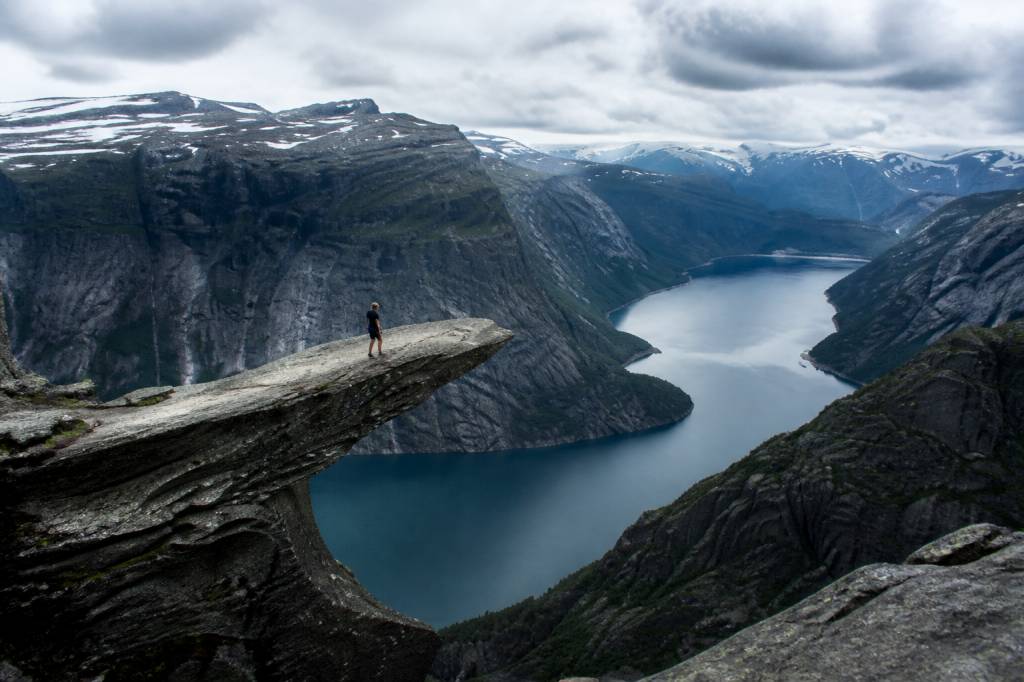
Adventurous place: the best remote destinations for thrill seekers
There are places that politely invite you in with a paved promenade, a cozy café, and a postcard view. And then there are the places that look at your hiking boots, your scratched-up backpack, and your questionable decision-making skills, and say: “Good. You’re ready.”
If your idea of a great trip includes windburn, altitude, long horizons, and the slight possibility of getting gloriously lost before sunset, remote destinations are where the magic happens. These are not the places for passive sightseeing. They are places that demand your full attention, reward your effort with raw beauty, and remind you that comfort is optional but awe is not.
Below, I’ve gathered some of the best remote destinations for thrill seekers—places where the road gets rough, the signal disappears, and the adventure finally starts to feel real.
Patagonia, Chile and Argentina
Patagonia is the kind of place that makes your everyday worries look comically small. One minute you are standing beneath a sky so wide it feels theatrical; the next, you are staring up at granite spires, blue glaciers, and winds that seem personally offended by your presence.
For thrill seekers, Patagonia is a dream with excellent cardio. Torres del Paine in Chile offers some of the most iconic trekking on the planet, while Argentina’s Los Glaciares National Park delivers dramatic trails around Mount Fitz Roy and the Perito Moreno Glacier. You can hike, kayak, climb, and camp in landscapes that look like the earth forgot to finish rendering them.
Practical note: weather changes fast here. Very fast. In Patagonia, “four seasons in a day” is not a saying; it is a scheduling system. Pack layered clothing, rain protection, and enough food to avoid becoming that traveler who announces, with tragic confidence, that they “probably won’t need gloves.” You probably will.
Svalbard, Norway
Far above the Arctic Circle, Svalbard feels like the edge of a map drawn by someone with a taste for drama. It is one of the most remote inhabited places in the world, where polar bears outnumber humans in certain areas and winter light behaves like a rumor.
This is not a destination for casual wandering. It is a place for snowmobiling across frozen plains, dog sledding through silence, glacier hikes, and northern lights chases that can leave you standing in awe long after your toes have stopped cooperating. Longyearbyen, the main settlement, is remote but surprisingly well organized, and most excursions must be done with guides for safety.
One of the most fascinating things about Svalbard is the feeling of fragility. Everything here is engineered for survival: your layers, your routes, your decisions. The Arctic has a way of teaching humility without bothering to explain itself.
Namibia’s Skeleton Coast
If you want a destination that feels like the world has been stripped down to its bones, the Skeleton Coast is it. Namibia’s Atlantic edge is a surreal meeting point of desert, ocean, fog, and shipwrecks. It is harsh, stunning, and unforgettable in the way only truly remote places can be.
Thrill seekers come here for the dune driving, wildlife spotting, and the sheer wildness of it all. You can explore the shifting sands of the Namib Desert, look for desert-adapted elephants in Damaraland, or join a guided expedition along the coast where seals, shipwreck remains, and endless emptiness create a landscape that feels almost lunar.
What makes this region special is its silence. Not the absence of sound, exactly, but the kind of silence that makes you hear your own thoughts a little too clearly. If you’ve been craving a reset, this coast has a very effective way of handing one to you.
Mongolia’s Gobi Desert
The Gobi Desert is where open space becomes a character in the story. It stretches farther than your sense of direction, your patience, and possibly your last battery pack. But that is also the point.
Here, adventure takes many forms: camel trekking across dunes, exploring the Flaming Cliffs, riding through steppe and desert on horseback, and sleeping in traditional ger camps under a sky so full of stars it feels almost unfair. The Gobi is not simply empty; it is alive with nomadic culture, history, and landscapes that shift from sand to rock to grassland with startling speed.
For travelers looking for something beyond a standard itinerary, Mongolia rewards curiosity. Hiring local guides or joining a small group tour can make the experience far richer, especially in regions where distances are vast and infrastructure is sparse. A little planning goes a long way here, unless your goal is to become intimately acquainted with detours.
The Faroe Islands
Some destinations whisper. The Faroe Islands howl. Perched between Iceland and Norway, this North Atlantic archipelago is a paradise for hikers, storm-watchers, and anyone who enjoys landscapes with a strong personality.
The Faroe Islands offer steep cliffs, green valleys, puffin colonies, and roads that dive through mountains like they were drawn by a rebellious engineer. Hiking to the iconic lake above the ocean at Sørvágsvatn, exploring remote villages, or taking a boat to sea arches and hidden caves gives you the feeling of traveling through a place that exists slightly outside normal time.
Weather here is famously unpredictable, which is simply another way of saying the islands keep their own agenda. If you go, bring waterproof everything. And by everything, I do mean everything. The wind does not negotiate.
Alaska’s Brooks Range
Alaska is often imagined in broad strokes: glaciers, bears, wilderness, repeat. But the Brooks Range takes that scale and turns it up until it feels almost mythic. Far north of the usual tourist circuit, this is a land of untouched valleys, braided rivers, and high passes where the only traffic may be a caribou herd with better punctuality than most cities.
For real adventure, think backcountry trekking, river expeditions, and fly-in access to some of the most isolated terrain in North America. Gates of the Arctic National Park, in particular, is a place without roads, trails, or visitor centers. Which is either thrilling or mildly terrifying, depending on how much confidence you have in your map-reading skills.
This is genuine wilderness. That means preparation matters: bear safety, navigation, weather awareness, emergency communication, and realistic expectations. Alaska does not care how impressive your gear looks. It cares whether you know how to use it.
Madagascar’s Remote East Coast
Madagascar is a biodiversity treasure chest, but the remote east coast is where it starts to feel truly wild. Rainforests, difficult roads, and villages accessible only with patience and determination create a travel experience that is equal parts rewarding and humbling.
Adventure here often means jungle trekking, canoe travel, and wildlife encounters you will not find anywhere else on Earth. Lemurs, chameleons, and rare birds are part of the appeal, but so is the journey itself. Reaching places like Masoala National Park or the Pangalanes Canal requires flexibility, and occasionally a sense of humor when “local transport” turns out to be an exercise in creative problem-solving.
There is also something deeply human about remote Madagascar. The pace slows down. Logistics get messy. And somehow, that is part of the charm. If you are the type who can laugh when a bumpy road becomes a three-hour lesson in resilience, you will fit in just fine.
Canadian Yukon
The Yukon has a frontier energy that never really left. It is a place of big skies, cold rivers, aurora-filled winters, and summer days so long they feel like an experiment in timekeeping. Remote, rugged, and often underestimated, it is perfect for travelers who want serious wilderness without sacrificing a sense of history.
Popular adventures include canoeing the Yukon River, hiking in Kluane National Park, spotting wildlife, and chasing the northern lights. The scale here is enormous, and the remoteness is part of the appeal. Towns are few, distances are long, and the landscape can go from river valley to mountain pass in what feels like a single breath.
If you are heading north, prepare for variable conditions and bring solid rain gear, warm layers, and a real plan for communication. In the Yukon, your best survival tool is often a combination of preparation and not underestimating the weather before your second coffee.
Remote destinations are more than a challenge
Why do thrill seekers keep going back to places that are hard to reach, hard to navigate, and occasionally hard to love in the moment? Because remote destinations offer something that busy tourist hubs rarely can: the feeling of genuine encounter. With landscape, with culture, with silence, and sometimes with your own limits.
These places ask more of you, but they also give more back. They sharpen your senses. They simplify your priorities. They make that first hot meal after a long trek feel like a victory parade.
And let’s be honest: part of the appeal is the story. Anyone can collect photos. Not everyone can say they crossed a glacier in Patagonia, slept in a ger under Mongolian stars, or stood on the edge of the Arctic while the wind tried to negotiate with their face.
What to pack for a remote adventure
No matter where you go, remote travel rewards preparation more than overconfidence. You do not need to pack like you are relocating permanently, but you do need to respect the environment you are entering.
- Layered clothing for sudden weather changes
- Waterproof outerwear and dry bags
- Reliable navigation tools, including offline maps
- First aid kit with basics for blisters, cuts, and dehydration
- Headlamp with spare batteries
- Water purification method if clean water is uncertain
- Energy-dense snacks for long days outdoors
- Emergency communication device for truly isolated regions
Also, bring patience. Remote travel has its own rhythm, and the less you fight it, the better the trip tends to go. Delays happen. Roads disappear. Boats run late. Sometimes the best route is the one that teaches you to loosen your grip a little.
How to choose the right remote destination
Not every remote place suits every traveler. Some demand endurance. Some demand technical skill. Some demand that you be okay with very few amenities and a lot of weather-related uncertainty.
Ask yourself a few honest questions before booking:
- Do I want cold, desert, jungle, or mountain conditions?
- Am I comfortable traveling with limited infrastructure?
- Do I prefer guided expeditions or independent travel?
- What level of physical effort am I ready for?
- How much remoteness do I actually want versus the idea of remoteness on Instagram?
That last question matters more than people admit. The image of rugged solitude is appealing, but the real thing can be muddy, exhausting, and occasionally inconvenient in ways that filters do not capture. Still, if you choose well, those inconveniences become part of the memory rather than a reason to avoid the journey.
Why remoteness stays with you
There is a quiet kind of luxury in being far from everything. No constant notifications. No crowd noise. No endless options. Just terrain, weather, movement, and the immediate business of being alive in a place that does not revolve around your schedule.
That is what makes remote destinations so powerful for thrill seekers. They are not just backdrops for adventure; they are active participants. They challenge you, ground you, and sometimes exhaust you in the best possible way. And when you return, a little windblown and a lot changed, even ordinary things can feel newly vivid.
So if you have been craving a trip that leaves a mark, not just a stamp in your passport, maybe it is time to go farther out. The edge of the map is waiting, and it rarely bothers with small talk.
 Best African safari destinations: top 5 experiences in Africa
  Discover atlas in morocco
  Discover corsica
 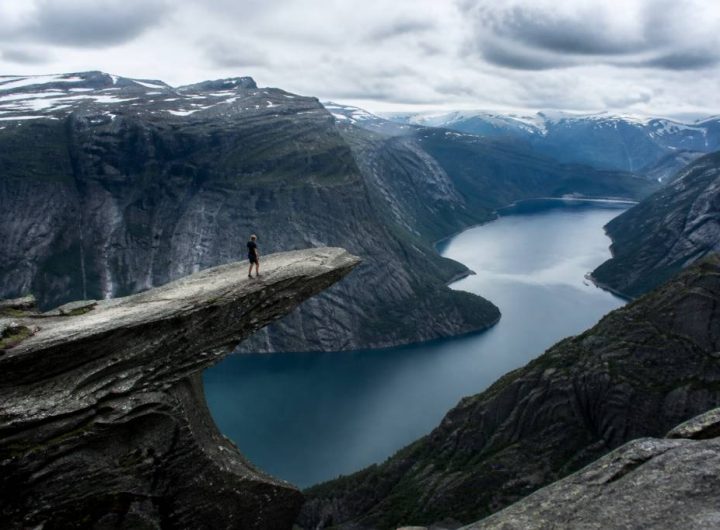 Adventurous place: the best remote destinations for thrill seekers
 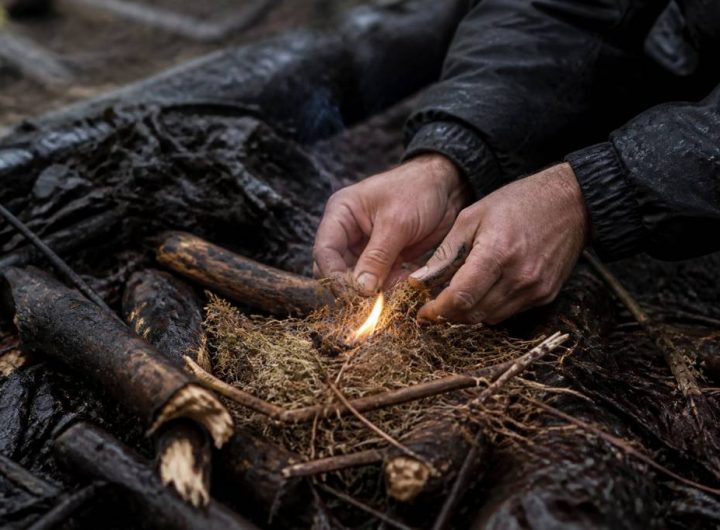 How to start a fire with wet wood in survival situations
 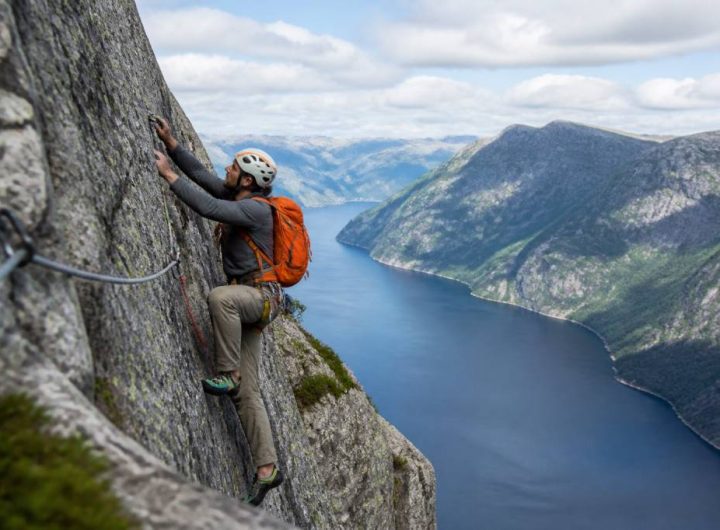 Adventure activities for thrill seekers and outdoor explorers
  The best elevator shoes for men in 2026